Caribbean Food Denver: Restaurants Serving Authentic Island Recipes
Denver is not the first American city people associate with Caribbean cooking. That usually goes to Miami, New York, or pockets of South Florida where island communities have had a longer and larger presence. Still, the story in Colorado is better than outsiders expect. Caribbean food in Denver has grown quietly, through family-run kitchens, lunch counters, neighborhood cafés, pop-ups, and catering operations that built loyal followings long before they showed up on glossy “best of” lists.
That matters, because Caribbean cuisine is one of the easiest food categories to flatten into cliché. A lot of people hear the term and think only of jerk chicken, rum drinks, and beach vacation imagery. The actual food is far richer than that. It carries West African technique, Indigenous ingredients, Spanish and French colonial influence, South Asian spices, Chinese migration, and practical adaptations born of island life. A plate of oxtail with rice and peas, a Cuban roast pork sandwich, a flaky beef patty, or a bowl of stewed beans tells a much deeper story than a marketing slogan ever could.
If you are searching for caribbean food denver diners genuinely return to, the best approach is not to chase novelty. It is to look for places that cook with patience, confidence, and restraint. The strongest Caribbean restaurants in the Denver area tend to do a few things very well. Their marinades taste lived-in. Their rice is never an afterthought. Their stews are built over time, not rushed into existence. Their cooks understand that spice is not the same thing as heat, and that soulful food can be bold without becoming loud.
What “authentic” really means on a Denver plate
Authenticity is a slippery word in restaurant writing, and it often gets used carelessly. In Caribbean cooking, it should not mean frozen in time, nor should it imply that only one island or one household version counts. Jamaica alone contains regional differences, family habits, and personal interpretations. The same is true in Cuba, Puerto Rico, Trinidad and Tobago, Haiti, and the Dominican Republic. A dish can be authentic to a chef’s upbringing and still look a little different from what another cook makes 200 miles away.
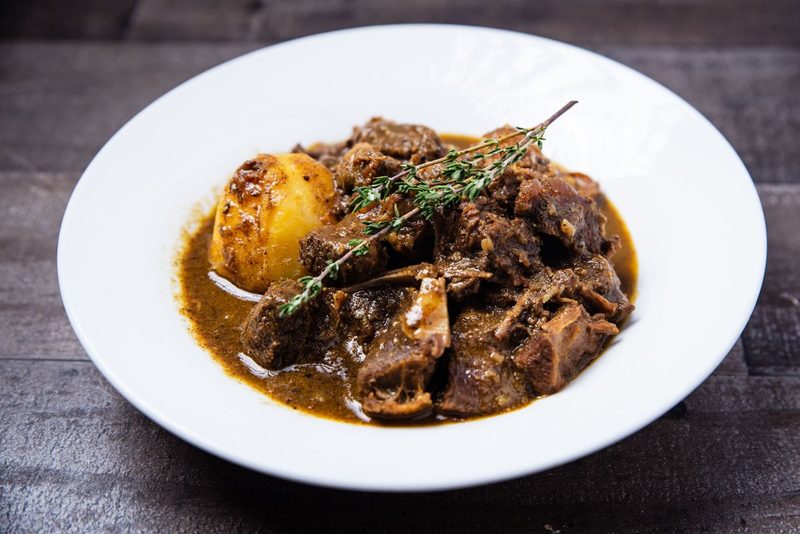
In Denver, authenticity often shows up in details more than declarations. It is in the balance of allspice and thyme in jerk marinade. It is in whether curry goat tastes like curry powder was merely added, or whether the spices were toasted into the bones and onions until the sauce came together naturally. It is in the tenderness of braised oxtail, the proper snap of fried plantains, and the way cabbage, beans, and rice support the main dish rather than filling empty space on the plate.
Altitude plays a role here too. Denver kitchens do not cook at sea level. Beans can take longer. Braises behave differently. Frying has its own quirks. Restaurants that consistently turn out strong Caribbean food in Denver are not just copying recipes, they are adapting them intelligently to local conditions while holding on to the soul of the dish. That is harder than it sounds, and you can taste the difference between a kitchen that understands that and one that does not.
The Caribbean flavors Denver does best
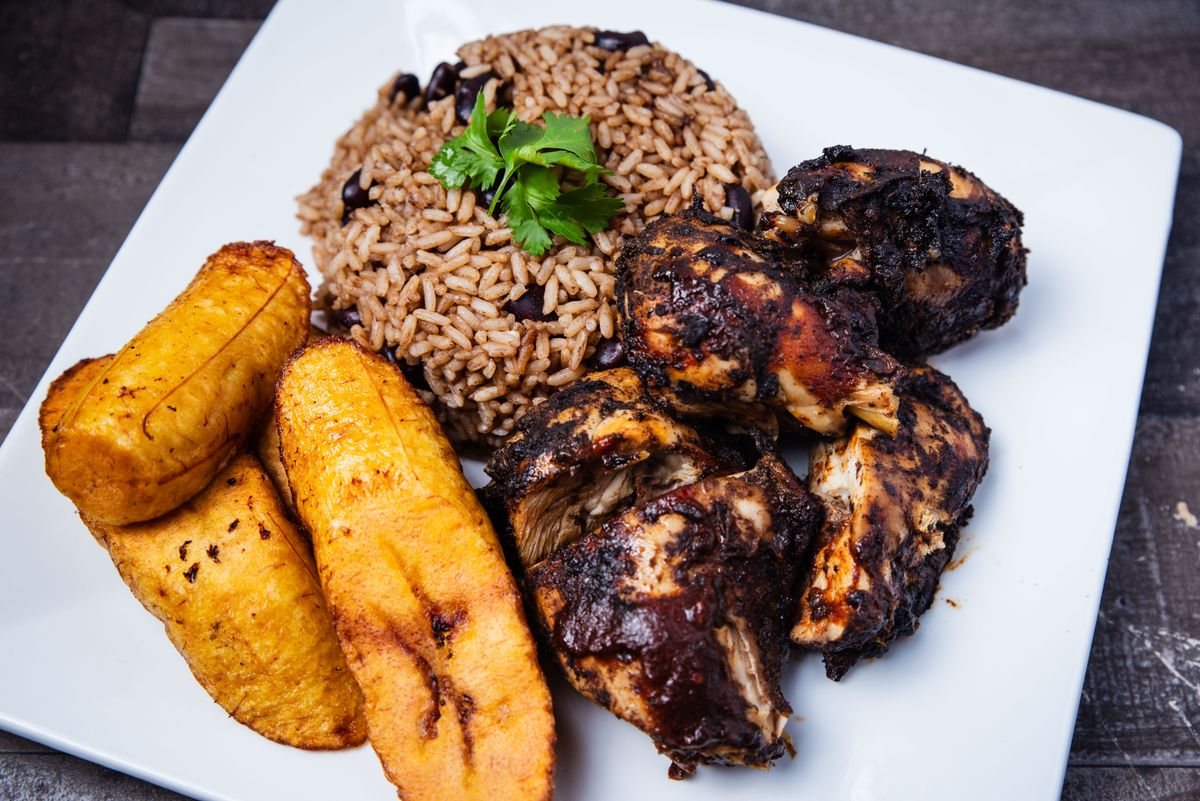
The Denver metro’s Caribbean scene is not huge, but it has range. Jamaican cooking is usually the most visible, and for good reason. It travels well, delivers big flavor, and suits both quick-service and sit-down formats. Jerk chicken, curry goat, brown caribbean food denver stew chicken, oxtail, rice and peas, cabbage, coco bread, patties, and fried plantains tend to be the gateway dishes for many diners. When a local spot gets those right, it usually earns repeat business fast.
Cuban food also has a meaningful foothold in Denver. At its best, Cuban cooking offers a different kind of richness from Jamaican food. The flavors lean toward garlic, citrus, cumin, oregano, and slow-roasted pork rather than the Scotch bonnet, allspice, and thyme profile that dominates many Jamaican kitchens. A good Cuban sandwich is about more than assembly. The bread matters. The roast pork should carry seasoning through to the center. The pressed crust should shatter just enough. A plate of ropa vieja or picadillo should feel homey, not dressed up for effect.
Puerto Rican and Dominican dishes appear less frequently, but when you find them, they bring another register altogether. Adobo-seasoned meats, pernil, arroz con gandules, mofongo, pastelillos, and stewed beans have a comforting, almost family-table energy. These are foods that can look simple at first glance and still reveal a lot of craft. Mofongo, for example, is unforgiving when handled poorly. It should be structured and moist, savory with garlic, not dry and crumbly.
Trinidadian and Haitian food remain more underrepresented in Denver, but they are worth seeking out whenever they appear on special menus, at events, or in rotating concepts. Trinidad’s doubles, roti, and curried fillings can be some of the most satisfying street-style meals anywhere. Haitian griot, epis, pikliz, and black mushroom rice carry a distinctly layered character that stands apart from neighboring cuisines. In smaller markets like Denver, these traditions sometimes surface through pop-ups or multi-concept kitchens rather than permanent standalone restaurants, which means diners need to pay a little more attention.
How to tell whether a Caribbean restaurant is worth the drive
This is where experience helps. Strong Caribbean restaurants often look modest from the outside. You may find them in strip centers, mixed-use neighborhoods, or small storefronts with straightforward signage and no interest in theatrics. That is not a rule, but it is a pattern. The food frequently carries more ambition than the room.
The menu can tell you a lot. A shorter menu is often a good sign. Caribbean cooking depends heavily on marination, slow cooking, and side dishes that require care. A place trying to represent ten islands and fifty dishes at once can end up doing none of them justice. I trust menus that show discipline. If a restaurant focuses on a core set of braises, jerk items, patties, roti, sandwiches, or rice plates and executes them steadily, that usually beats a sprawling concept that spreads itself thin.
Aroma matters too. Jerk should smell smoky, herbal, and warm with spice, not simply hot. Curry should smell integrated, not like seasoning shaken on at the end. Rice should hold fragrance. Fried plantains should smell caramelized and sweet rather than old oil. These cues are basic, but they rarely lie.
Portioning is another clue. Caribbean cooking is generous by nature, but generosity is not the same as excess. A good restaurant sends out a plate that feels balanced. You want enough gravy or sauce to season the starches, enough acidity or vegetables to cut through richness, and enough protein to justify the order. Too many places in every cuisine mistake bulk for hospitality. The strongest kitchens know that hospitality lives in care, not pile height.
The dishes that reveal a kitchen’s skill
If I had to judge a Caribbean restaurant in Denver on a first visit, I would start with the fundamentals rather than the flashiest item. Jerk chicken is the obvious benchmark, but it can also be misleading because diners often focus only on heat. The better test is whether the flavor goes beyond capsaicin. Good jerk carries smoke, sweetness, herbs, and spice in layers. The exterior should have character, but the seasoning should also penetrate.
Oxtail is a stronger measure of patience. Done right, it is deeply savory, glossy, and tender without falling apart into mush. The sauce should cling. The bones should have done their work. If the oxtail tastes flat, watery, or oddly sweet, the kitchen likely cut corners somewhere.
Rice and peas deserve more respect than they get. In many Caribbean restaurants, this side is the backbone of the plate. It should not be bland filler. Coconut milk, scallion, thyme, beans, and proper seasoning should all register without turning the dish heavy. Cabbage is another sleeper indicator. Well-cooked cabbage brings freshness, texture, and a little sweetness that balances richer mains. Poorly cooked cabbage tastes like obligation.
Plantains tell their own truth. Sweet plantains should be ripe enough to caramelize and soft enough to yield, with crisp edges where the pan or fryer kissed them. Tostones, if offered, should arrive salted and firm, with a crackling shell and creamy interior. There is very little room for mediocrity with plantains. They either feel cared for or they do not.
If the restaurant serves patties or empanada-like turnovers, pay attention to the crust. Flaky dough is hard to fake. A well-made patty should have a little fragility to it and a filling that tastes distinct from standard ground beef seasoning. Too often in weaker spots, patties become generic hand pies wearing Caribbean branding.
Why Denver’s best Caribbean meals often come from small operations
One thing longtime local diners learn quickly is that some of the best island cooking does not always happen in a polished full-service dining room. Denver has a strong culture of independent food businesses, and Caribbean cooks have often entered the market through catering, lunch service, food trucks, weekend pop-ups, and hybrid spaces. That model makes sense. It lowers overhead, allows tighter control over a focused menu, and lets owners build a customer base through community events, churches, breweries, and word of mouth.
This also means the scene can shift faster than online guides keep up with. A place that was doing excellent Jamaican lunch plates out of a shared kitchen six months ago may now be operating out of a new storefront. A chef known for Trinidadian doubles at festivals may only pop up twice a month. A Cuban concept may split time between catering and brick-and-mortar service. If you are serious about finding the best caribbean food denver offers, local follow-through matters. Social media pages, neighborhood forums, and recent customer photos often tell you more than static directory listings.
There is a practical trade-off here. Smaller operations may keep shorter hours, sell out of popular dishes, or close for private events. That can frustrate diners used to national-chain predictability. The upside is freshness and specificity. When a restaurant cooks a limited amount of curry goat because that is what the kitchen can braise properly for the day, I tend to see that as a mark of seriousness, not inconvenience.
Neighborhood patterns and where to look
Denver’s Caribbean food is spread out rather than concentrated in a single enclave. That means diners willing to move around the metro usually eat better than those who stay within one central neighborhood. Aurora often rewards curiosity because of its broad immigrant food landscape overall. Lakewood and other inner-ring areas can also surprise you, especially where rents have historically made it more feasible for independent operators to open modest spaces. Central Denver has some visible Caribbean-adjacent concepts, but not every visible place is the most rooted or the most flavorful.
This sprawl changes the dining ritual. Caribbean food in Denver is often destination eating. You may drive twenty or thirty minutes for a plate you cannot get closer to home. You may order lunch on a Saturday because the kitchen runs out of a signature dish by evening. You may learn to call ahead for patties or oxtails. For diners who care mainly about convenience, that can feel like friction. For anyone who has spent time chasing excellent regional food in American cities, it feels normal.
The upside of this scattered geography is that Caribbean cooking in Denver has not been over-curated. Many places still cook primarily for regulars and community members rather than for tourists. That tends to protect the food from the kind of softening that happens when a cuisine gets redesigned around broad appeal. Menus remain direct. Portions stay grounded. Flavors keep their point.
What to order on a first visit
A first visit should be strategic. The best move is to order one dish the restaurant is clearly known for, then add a side or second item that shows range. If a place is reputed for jerk, order jerk and see how the kitchen handles the supporting elements. If it is more of a Cuban café, go for roast pork or ropa vieja with rice, beans, and plantains. If patties or doubles are available, they make excellent secondary items because they reveal how the kitchen manages dough, seasoning, and balance in a smaller format.
Beverages can offer clues too. House-made ginger drinks, sorrel when seasonally available, tamarind drinks, or properly handled tropical fruit juices often signal a kitchen that cares about the full experience. Desserts matter less as a benchmark, but when you see rum cake, flan, sweet potato pudding, bread pudding, or coconut-based sweets made with confidence, that is usually a welcome sign.
Be careful with expectations around speed. Slow food is often literally slow. Oxtails, curries, and braises take time, and small teams can get backed up. If your meal takes a little longer, that may be the cost of getting something that was not rushed. I would rather wait for tender goat than be served a fast but forgettable plate.
The difference between heat and depth
A common mistake among diners new to Caribbean cuisine is equating authenticity with sheer spiciness. Some island dishes are fiery, especially those using Scotch bonnet or habanero peppers, but the best food is not merely hot. It is dimensional. You should taste smoke, citrus, sweetness, herbs, black pepper, allspice, curry leaf if the tradition calls for it, onion, garlic, and long-cooked stock or drippings beneath the heat.
Denver restaurants that understand this rarely advertise themselves as extreme. They let the food speak. A jerk plate should leave a glow, not erase your palate. A curry should comfort as much as it stimulates. A pepper sauce served on the side often says more about confidence than a kitchen that buries every dish in aggressive heat. Condiments are part of the culture. So is balance.
This is especially relevant in mixed dining groups. If one person at the table is spice-shy and another wants robust seasoning, a good Caribbean restaurant can often satisfy both through dish selection rather than dilution. Brown stew chicken, roast pork, beans, and sweet plantains can offer a gentler entry point, while jerk, pepper sauces, and certain curries can satisfy the heat-seekers. The best kitchens do not make everything uniformly spicy. They build choices into the menu naturally.
Why the sides deserve equal billing
One of the pleasures of eating Caribbean food in Denver is that the plate often teaches balance better than the menu description does. Rich meat, soft starch, bright pickled elements, tender cabbage, and sweet plantains all support each other. When those parts are cooked thoughtfully, the meal feels composed even in a casual setting.
Rice and peas should carry enough seasoning to stand on their own. Beans should not feel canned or anonymous. Slaw or cabbage should bring crunch or softness at the right moment. Fried plantains should give sweetness exactly where the meat is saltiest. Even sauces matter differently here. Brown stew gravy, curry sauce, or a spoonful of pepper sauce can reshape each bite across the plate. That is part of why leftover Caribbean food often eats so well the next day. The flavors continue to settle into each other.
A lot of American diners are trained to focus on the protein and treat everything else as filler. With Caribbean food, that approach misses half the point. In a good restaurant, the sides are not side characters. They complete the architecture of the meal.
The real appeal of Caribbean food in Denver
The appeal is not novelty anymore. Denver has matured beyond that stage in many parts of its dining scene. People looking for Caribbean food are usually looking for flavor, comfort, and cultural specificity. They want food that tastes like someone cares where it came from. They want a plate that feels rooted rather than trend-driven.
That is why the strongest Caribbean restaurants in Denver tend to inspire loyalty far beyond social buzz. Office workers come back for the lunch plate that never disappoints. Families pick up trays for gatherings. Neighborhood regulars know which days the soup is best or when a special dessert appears. Newcomers discover quickly that the most memorable meals often come from places with simple interiors, handwritten signs, and staff who are busy enough to skip the sales pitch.
For anyone exploring caribbean food denver has to offer, the smart mindset is curiosity paired with patience. Try the staples first. Notice the details. Follow the places that caribbean food denver cook from memory as much as recipe. Ask what is fresh, what sold out yesterday, what people from the community usually order. Then go back, because one visit rarely tells the whole story.
Denver may never be the country’s defining Caribbean food city, but that is not the standard that matters. What matters is that the metro now supports serious island cooking made by people who understand the cuisine from the inside. When you find those restaurants, the experience is unmistakable. The food has warmth, backbone, and a sense of place that survives the miles between Colorado and the sea.
Reggae Pot Jamaican Grill
2243 S Monaco St Pkwy, Suite 104
Denver, CO 80222
(720) 410-2956
FAQ About caribbean food denver
What is a typical Caribbean meal?
Caribbean cuisines vary by island. A Jamaican meal might pair jerk chicken or oxtail with sides such as rice and peas, cabbage, or fried plantains.
What is Jamaica’s national dish?
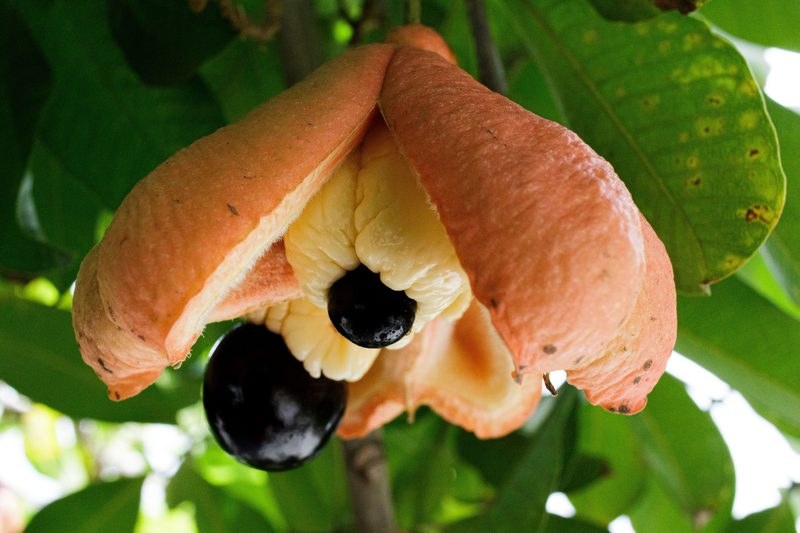
Ackee and saltfish is widely recognized as Jamaica’s national dish. Check the current menu for availability.
Is Caribbean jerk the same as Jamaican jerk?
Jerk is a Jamaican cooking tradition associated with seasoning and slow cooking or grilling. The exact heat level and preparation vary by cook.