Caribbean Food Denver: The Ultimate List of Must-Try Restaurants
Denver is not the first American city people name when they talk about Caribbean food, and that is exactly why the good places matter so much. You do not have the density of options you would find in South Florida, Brooklyn, or parts of New Jersey. What you do get is a smaller, more selective scene, one where the restaurants that last tend to build genuine loyalty. They survive because the food lands, because the owners know what they are doing, and because diners return for specific dishes rather than vague “island vibes.”
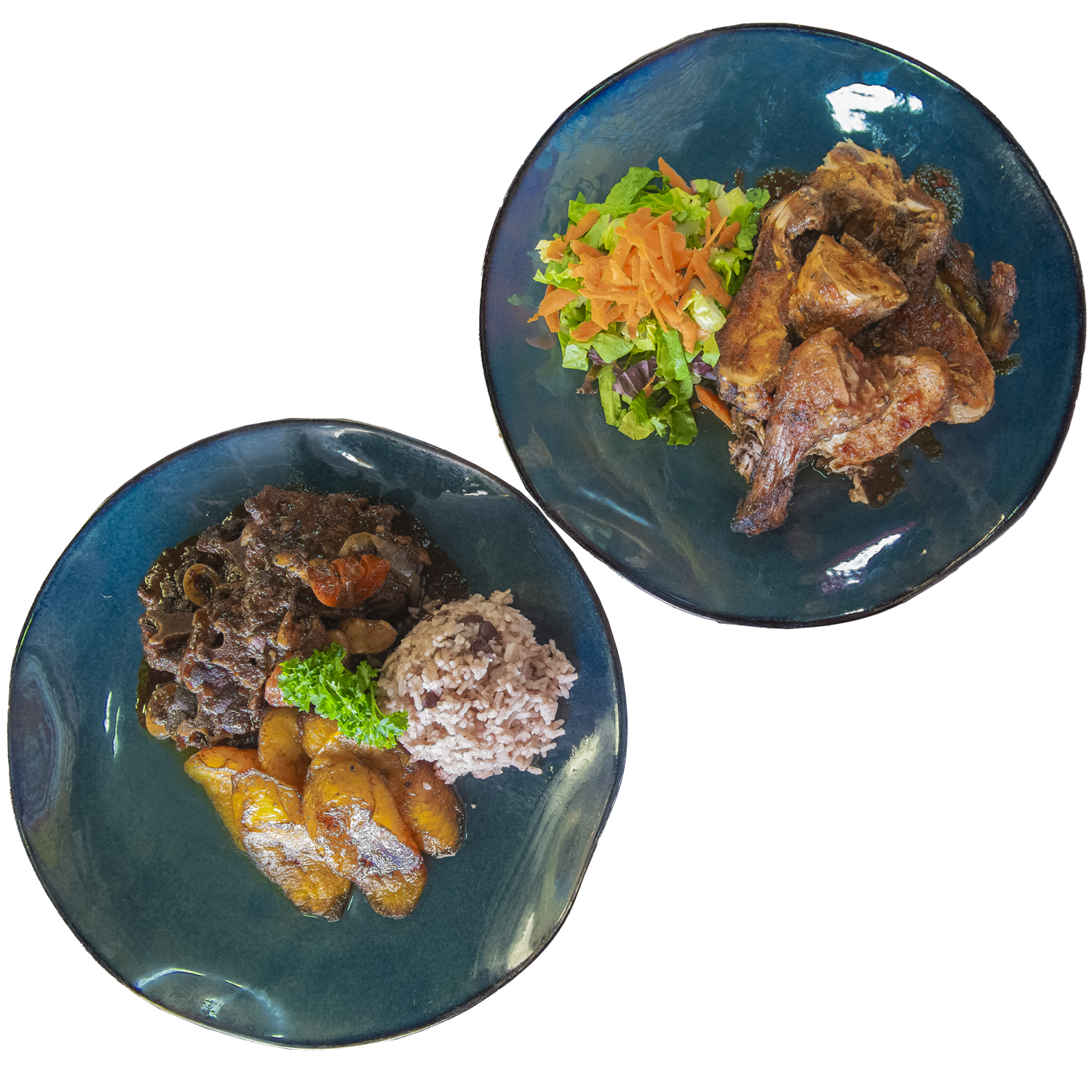
That distinction matters if you are searching for the best caribbean food denver has to offer. In this city, the strongest spots are not always interchangeable. One place might be where you go for a pressed Cuban sandwich and a mojito in a lively room. Another might be the right choice when only jerk chicken, rice and reggaepotjamaicangrill.com caribbean food denver peas, and a proper patty will do. A third might not be strictly traditional, but still cooks with enough Caribbean influence, acidity, heat, and depth to earn a place in the conversation.
What follows is a practical, experience-driven guide to the Denver restaurants worth your time. Some are classic neighborhood staples. Some blur lines in interesting ways. All are places I would point people toward if they asked where to start.
The shape of Caribbean dining in Denver
Before getting into the restaurants, it helps to set expectations. “Caribbean food” is not one cuisine. It is many cuisines, linked by geography and history, and shaped by African, Spanish, French, Indigenous, Indian, Chinese, and Middle Eastern influences. In Denver, that diversity shows up unevenly. Cuban food tends to be easier to find than, say, Trinidadian doubles or a broad Dominican menu. Jamaican flavors have a clear foothold. Pan-Caribbean cooking appears in pockets, sometimes directly, sometimes filtered through a more modern American restaurant style.
That means your best meal depends on what you mean when you say Caribbean. If you want roasted pork, black beans, sweet plantains, and croquetas, you are probably looking for Cuban. If you want allspice, Scotch bonnet heat, braising, jerk spice, and richer savory gravies, Jamaican spots will be a better fit. If you are open to restaurants that borrow from the Caribbean rather than represent one island’s home cooking outright, Denver gets more interesting.
Cuba Cuba Cafe & Bar
If you ask longtime Denver diners where to begin, Cuba Cuba usually comes up quickly, and for good reason. It has been part of the city’s dining vocabulary for years, and it is one of the easiest restaurants to recommend to both first-timers and regulars. It works for a casual lunch, a date night with enough energy in the room, or an out-of-town guest who wants a meal that feels distinctly local to Denver’s restaurant culture while still rooted in Cuban flavors.
The menu leans into recognizable Cuban standards, and that is not a criticism. A good Cuban restaurant should know how to execute the classics without treating them like museum pieces. This is the kind of place where pressed sandwiches, roast pork, rice, beans, and plantains earn their spot because people actually want to eat them repeatedly. When the bread is crisp enough, the pork is juicy, and the mustard and pickles keep the whole thing balanced, a Cuban sandwich does not need reinvention.
What makes Cuba Cuba particularly useful is range. It can satisfy the person who wants something familiar and the diner who wants a fuller table with appetizers, cocktails, and shareable sides. If you are the type who judges a place partly by whether the sweet plantains taste cared for rather than obligatory, pay attention here. When plantains are done right, they bring soft sweetness and a little caramelization, not just sugar and mush.
The trade-off is that popularity changes the pace. At busy times, the room can feel energetic to the point of noisy, and service can reflect the rush. That is normal for a well-loved restaurant. It is not the place I would choose for a slow, silent meal. It is the place I would choose when I want confidence, atmosphere, and a broad-enough menu to make a group happy.
Cuba Cuba Sandwicheria
There are days when a full sit-down meal is not the move. You want something fast, specific, and satisfying, and Denver is better off for having Cuba Cuba Sandwicheria in that category. Think of it as the quicker, more compact cousin to the full restaurant, with the same Cuban backbone but a format that suits lunch, takeout, or a low-ceremony dinner.
A lot of sandwich-focused places live or die on texture. Bread that goes stale too quickly, fillings that slide, too much sauce, not enough acid, all of it matters. The reason the better Cuban sandwich shops stand out is that they understand compression, heat, and contrast. You want crackle from the exterior, tenderness from the meat, and enough mustard, pickle, and cheese to sharpen the edges without turning the sandwich soggy. When that balance is right, it eats bigger than its size.
This is also one of the better entry points for someone curious about Caribbean-adjacent flavors but not necessarily ready to commit to a heavier plated meal. Pair a sandwich with yuca fries or plantains and you have a lunch that feels distinct from standard deli fare without requiring a long sit-down. In practical terms, that makes it one of the most useful stops in the broader caribbean food denver conversation, especially for people working downtown or fitting a meal between plans.
The main thing to know is that the Sandwicheria is about efficiency and focus. If you want cocktails, a long conversation, and a larger evening out, go to the full cafe. If you want a sharp, satisfying sandwich that scratches the Cuban itch quickly, this is the move.
Jamaican Grill
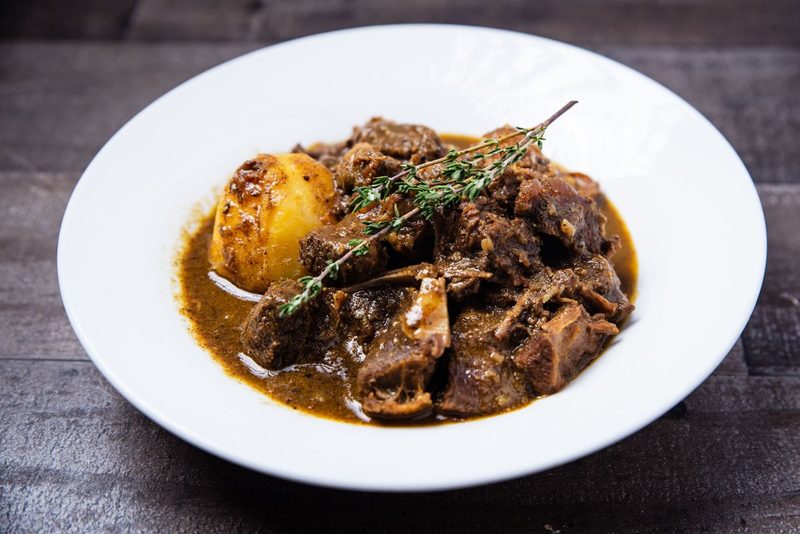
When the craving turns from citrusy pork and pressed bread to smoke, spice, and savory depth, Jamaican Grill is one of the places to know. In the Denver area, Jamaican restaurants carry a particular burden because so many diners approach them with strong expectations. People want jerk chicken that tastes assertive, not timid. They want rice and peas with actual flavor, not filler. They want oxtail that has spent enough time in the pot to become silky and deep rather than merely expensive.
The best reason to visit Jamaican Grill is straightforward: it goes after those comfort dishes that people seek out repeatedly. Jerk chicken is often the benchmark because it reveals a kitchen’s confidence. Real jerk is not just heat. It should carry layers of allspice, thyme, garlic, scallion, and smoke, with enough char to keep each bite lively. If the chicken tastes only spicy, something has gone wrong. If it tastes aromatic, earthy, and a little sweet around the edges, the kitchen understands the assignment.
The supporting cast matters just as much. Rice and peas should have body and fragrance. Cabbage should provide relief and crunch, not feel like an afterthought. Patties, when a place offers them, tell you something about restraint and seasoning. A good patty crust should break cleanly, and the filling should stay moist without turning greasy.
A practical note for newcomers: Jamaican food tends to reward diners who order complete plates rather than trying to pick at it like bar snacks. This is food built around combinations. The sauce from the meat works into the rice. The cabbage cuts the richness. Plantains soften the spice. If you order with that in mind, the meal becomes much more coherent.
Reggae Pot
Reggae Pot is another name worth knowing if Jamaican flavors are what brought you here. In a city where Caribbean options are still relatively limited, restaurants like this matter because they give diners a second serious stop rather than a one-restaurant monopoly on a cuisine. That is healthy for the local food scene, and it is useful for anyone trying to find the version that suits their preferences.
Where some Jamaican restaurants lean hardest into smoky jerk, others shine more through stewed dishes, richer gravies, or broader menu variety. Reggae Pot has earned attention from diners who want those comforting, deeply seasoned plates that feel built for appetite rather than decoration. Curry chicken, oxtail, and jerk are the kinds of dishes to look for on a menu like this, and each tests a different kitchen skill. Curry reveals whether spice blends are integrated or just dusty. Oxtail reveals patience. Jerk reveals control over heat and aromatics.
One of the recurring challenges with Caribbean food in smaller markets is consistency, especially during rush periods. A caribbean food denver dish that is wonderful on a calm afternoon can arrive a little tired at peak dinner time if the kitchen is stretched. That is not unique to Denver. It is just the reality of restaurants handling labor-intensive food. The upside at a place like Reggae Pot is that when the kitchen is on, the style of cooking itself is forgiving and generous. Braises, stews, and rice-based plates travel reasonably well and still deliver comfort even if you are eating at home rather than in the dining room.
If you like meals with strong seasoning and true weight, this is the kind of place to try. It is less about delicacy and more about satisfaction, and sometimes that is exactly what dinner should be.
Genna Rae’s Wings & More
Genna Rae’s sits slightly differently in this lineup, which is part of why it deserves a mention. It is not a narrow, textbook Caribbean restaurant, and presenting it that way would be misleading. But it belongs in the broader conversation because it reflects how Caribbean flavors often live in Denver, through crossover cooking, family influences, and dishes that move between Southern comfort and island seasoning without feeling confused.
This is the sort of place where wings can be a real event rather than a fallback order. Caribbean seasoning works especially well on wings because the format welcomes bold flavor. Sweet heat, pepper, thyme, garlic, brown sugar, and char all play nicely with crispy skin. If you have ever had wings that announce “jerk” on the menu but taste like regular buffalo with a little cinnamon, you know how disappointing the knockoff version can be. The better kitchens understand that jerk needs depth, not gimmick.
What I appreciate about restaurants like Genna Rae’s is that they acknowledge how people actually eat. Not every diner arrives looking for the strictest expression of one island’s home cooking. Sometimes they want food that is deeply seasoned, warm, generous, and culturally rooted without being boxed into one label. Denver has several restaurants that live in that in-between territory, and the best ones do it honestly.
The trade-off is obvious. If you are looking specifically for a broad lineup of canonical Caribbean dishes, this may not fully scratch that itch. If you are open to a place where Caribbean flavor is part of a wider comfort-food identity, you will likely leave happier than you expected.
Lucina Eatery & Bar
Lucina is not the place to send someone who says, “I want a standard Jamaican plate” or “I need a classic Cuban sandwich.” It earns its place for a different reason. The restaurant draws heavily from Latin and Caribbean influences, and it does so with polish, ambition, and a modern restaurant sensibility that broadens the field for what Caribbean dining in Denver can look like.
This matters because not every meaningful Caribbean meal has to come from a strictly traditional format. The Caribbean has always been a region of exchange, adaptation, and layered culinary identity. A restaurant like Lucina can express that through technique, ingredient choice, and menu structure, even if the dining experience feels more contemporary than home-style.
If you go, adjust your expectations in the right direction. This is not the kind of place where value is measured by the sheer size of a styrofoam clamshell. It is the kind of place where balance, acidity, spice, and presentation matter. Dishes may be more composed, the room more stylized, and the overall pacing more date-night than quick-lunch practical. For some diners, that is a plus. For others, especially if the craving is strictly comfort food, it will feel like the wrong call.
I recommend it for people who are interested in the wider idea of Caribbean influence in Denver rather than only the most traditional lane. It is also a strong option when someone in your party wants a serious restaurant meal and someone else wants flavors that move beyond standard New American cooking.
How to choose the right spot for the craving
The hardest part of navigating caribbean food denver is not finding a single restaurant. It is matching the restaurant to the moment. A lot of disappointment in dining comes from category mistakes. People want one experience and walk into another. If you are clear on your craving, the city gets much easier to read.
If your idea of a perfect meal is a Cuban sandwich with a good press, sharp pickles, and something fried on the side, head toward Cuba Cuba Sandwicheria. If you want that Cuban profile but with a fuller evening feel, drinks, and a bigger menu, choose Cuba Cuba Cafe & Bar. If what you really need is a plate with jerk chicken or oxtail, rice and peas, and food that eats like comfort rather than concept, Jamaican Grill or Reggae Pot makes more sense. If you are open to a restaurant where Caribbean influence shares the stage with broader Southern or modern Latin cooking, Genna Rae’s or Lucina can be the better fit.
There is also the question of company. For solo lunch, sandwich-focused and counter-service formats often win. For a group with mixed tastes, broader menus and more established dining rooms are safer. For takeout, braised and stewed dishes usually travel better than fried items, though a well-wrapped sandwich can hold up beautifully if you are not taking it across the metro area.
What to order when you are new to Caribbean food
For first-timers, the smartest move is to start with dishes that show the structure of the cuisine rather than chase the hottest thing on the menu. Heat is only one piece of Caribbean cooking, and it is rarely the most interesting one.
A Cuban sandwich is a great starting point because it teaches balance. Jerk chicken is a strong next step because it shows the role of spice, smoke, and herbs. Oxtail or curry chicken introduces you to the slow-cooked, gravy-rich side of the region. Rice and peas, plantains, and cabbage are not merely sides, they are part of the architecture of the meal. If you skip them, you miss the way the plate is supposed to work.
The one caution I always give is not to judge an entire cuisine by a weak execution of a single famous dish. Denver’s Caribbean scene is still small enough that individual kitchens carry outsized weight. A dry jerk plate or a flat sandwich can say more about one restaurant on one day than about the food tradition itself.
Why these restaurants matter to Denver
Cities become more interesting when they support food that carries specific cultural memory. Caribbean restaurants do that. They give Denver more than “global flavor.” They offer real culinary perspective, from techniques like braising and grilling over spice-forward marinades to staples like beans, rice, yuca, and plantains used with intention rather than trendiness.
They also reveal something useful about the city’s dining maturity. A decade or two ago, many diners here might have been satisfied with broad tropical branding and vague spice. Now people ask sharper questions. Is the jerk actually good? Are the beans seasoned? Is the sandwich pressed correctly? Does the restaurant understand the difference between homage and costume? Those are healthy questions, and the best restaurants in this guide can meet them.
Denver still has room to grow. A larger Caribbean footprint would be welcome, especially more representation from islands and traditions that remain harder to find. But the restaurants already here prove that the appetite exists. They reward repeat visits, and they make the case that Caribbean cooking deserves a firm, permanent place in the city’s dining map.
If you are building your own list, start with the staples. Try the Cuban classics at Cuba Cuba. Compare the sit-down experience to the Sandwicheria. Spend time with jerk chicken and oxtail at the Jamaican spots. Then branch into the restaurants that interpret Caribbean flavors through a wider lens. That is where Denver gets surprisingly compelling. Not because it has the biggest scene, but because the best places cook with enough confidence to make you come back.
Reggae Pot Jamaican Grill
2243 S Monaco St Pkwy, Suite 104
Denver, CO 80222
(720) 410-2956
FAQ About caribbean food denver
What is a typical Caribbean meal?
Caribbean cuisines vary by island. A Jamaican meal might pair jerk chicken or oxtail with sides such as rice and peas, cabbage, or fried plantains.
What is Jamaica’s national dish?
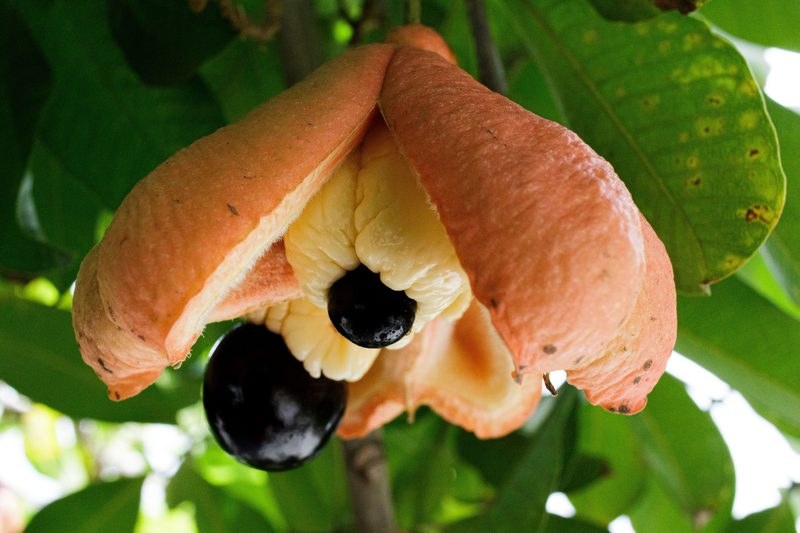
Ackee and saltfish is widely recognized as Jamaica’s national dish. Check the current menu for availability.
Is Caribbean jerk the same as Jamaican jerk?
Jerk is a Jamaican cooking tradition associated with seasoning and slow cooking or grilling. The exact heat level and preparation vary by cook.