Caribbean Food Denver: Top Places for Comforting Island Meals
Denver is not the first American city people name when they talk about Caribbean cooking, and that is exactly why the best meals here can feel like a discovery. You are not walking into an oversaturated market where every block has three jerk spots and a rum bar. You are working with a smaller scene, one built through family-run kitchens, neighborhood cafés, side-street counters, weekend specials, and the kind of places that develop a loyal following long before they show up on a polished “best of” roundup.
That matters, because Caribbean food is comfort food before it is trend food. It is built on braises, marinades, rice, stews, fried plantains, beans, patties, slow-cooked meats, and spice blends that bloom over time rather than shout for attention in the first bite. When people search for caribbean food denver, what they often want is not simply a restaurant with tropical decor. They want the meal that warms the table, fills the plate, and tastes like somebody actually cared about the pot.
Denver does have those meals. You just have to know what to look for.
What makes a Caribbean meal worth the trip
A good Caribbean restaurant, whether it leans Jamaican, Cuban, Trinidadian, Puerto Rican, Dominican, Haitian, or a broader island blend, tends to reveal itself quickly. The smell arrives first. Scotch bonnet heat, allspice, thyme, garlic, onions, browned sugar, citrus, simmering beans, fried dough, and grilled meat hit before the menu fully registers. Then the plate lands, and the details tell the story.
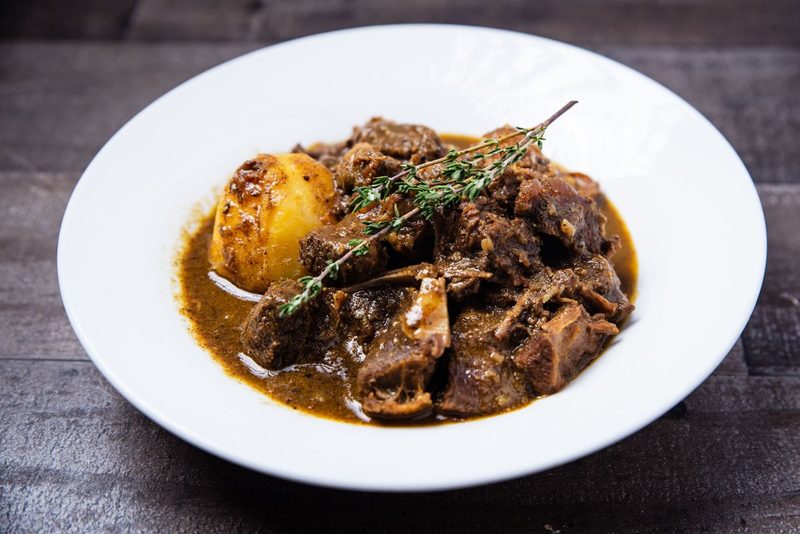
Rice should not feel like filler. It should carry flavor, whether that means coconut, pigeon peas, red beans, sofrito, or stock. Plantains should be sweet and deeply caramelized, not pale and merely hot. Jerk should be layered, not one-note spicy. Oxtail should be glossy and tender enough that no one at the table asks for a steak knife. Curry should cling to the meat or vegetables instead of puddling thinly around them.
That may sound exacting, but these standards are practical. Caribbean food is often judged unfairly by people who have only tried a rushed lunch special or an under-seasoned buffet tray. The best island meals are not delicate, but they are precise. The seasoning has to travel all the way through. The sides matter. The sauces matter. Even the cabbage on the plate can tell you whether a kitchen has discipline.
In Denver, where the Caribbean category is smaller than Mexican, Vietnamese, or Ethiopian, the strongest places stand out because they understand that comfort and intensity are not opposites. A plate can be generous and still carefully made.
Denver’s Caribbean scene is smaller, but that can work in your favor
One of the more interesting things about chasing Caribbean food in Denver is that quality often lives outside the obvious dining corridors. A flashy location does not guarantee the best meal. Sometimes the food with the deepest flavor comes from a modest storefront, a café with a short menu, or a kitchen that focuses on a few specialties rather than trying to represent every island in one spread.
That smaller scale also means menus can shift. A restaurant may be known for jerk chicken one day and sell out by mid-afternoon the next. A weekend may bring goat curry, escovitch fish, or pepper pot that never appears on the weekday board. Some of the strongest cooks in this category work through pop-ups, catering, or limited-service concepts, which means a regular customer learns to ask what is available instead of expecting a static menu.
If you are serious about finding the best caribbean food denver has to offer, approach it the way experienced diners approach regional barbecue or neighborhood pho. Follow the specialties, not the branding. The place with the biggest sign is not always the one with the most soulful plate.
Jamaican cooking often sets the standard for comfort
In many American cities, Jamaican restaurants become the backbone of the Caribbean dining scene, and Denver is no exception in spirit even if the overall number of options remains modest. Jamaican food travels well because it carries so much character into everyday dishes. Jerk chicken can anchor a quick lunch. Oxtail can turn dinner into an event. Curry goat can persuade even a cautious eater once they smell the gravy.
The strongest Jamaican-style kitchens in Denver tend to succeed because they do not cut corners on time. Jerk is not just “spicy grilled chicken.” Proper jerk needs a marinade with depth, heat, sweetness, and herbaceous lift. The meat should carry char on the outside and remain moist underneath. Rice and peas should taste like part of the meal rather than an afterthought. Macaroni and cheese, cabbage, and plantains should all arrive with a point of view.
I have learned over the years that the fastest way to evaluate a Jamaican plate is not always the chicken. It is often the oxtail. If the oxtail is watery, flat, or stingy with gravy, the kitchen is probably not taking enough care across the board. If it is rich, dark, sticky, and balanced, the rest of the menu usually follows suit. The same logic applies to curry goat. Good curry goat should taste rounded and developed, with spice that feels steeped into the meat rather than scattered across the surface.
This is where Denver’s better Caribbean kitchens can surprise people. In a city known more broadly for green chile, steakhouse culture, and newer tasting-menu ambition, a slow-cooked island plate can be the meal that lingers in memory longest.
Cuban cafés bring a different kind of comfort
Caribbean cooking is not a monolith, and Cuban food offers a softer, deeply satisfying branch of the experience. If Jamaican food often leads with smoke, heat, and grill flavor, Cuban cooking frequently charms through citrus, garlic, roast pork, black beans, rice, pressed sandwiches, and soups that seem simple until you notice how much skill sits inside them.
Denver diners looking for Caribbean comfort should not skip Cuban cafés just because the seasoning profile is less fiery. A well-made Cuban sandwich can absolutely count as a comforting island meal. So can ropa vieja with rice and beans, roast pork with mojo, yuca with garlic, or a bowl of black bean soup that tastes like it simmered all day.
What distinguishes a strong Cuban-leaning restaurant in Denver is restraint. The best versions avoid turning every dish into a generic “Latin” plate piled with unrelated sides. Instead, they let the essentials speak. Citrus has to brighten the pork. The beans need body. The rice must be separate but flavorful. The sandwich bread should shatter a little under pressure and still stay tender inside.
That style of food also fits Denver’s rhythms well. It works at lunch, it travels reasonably well for takeout, and it appeals to diners who want flavor without maximal heat. For families or mixed groups, Cuban restaurants are often the easiest entry point into the broader Caribbean category.
The dishes that separate the serious kitchens from the average ones
Not every dish needs to be perfect for a restaurant to be worth visiting, but a few menu items tend to expose the difference between routine cooking and a kitchen that genuinely understands Caribbean food.
A good place will usually shine in several of these areas:
- Jerk chicken with real smoke, char, and spice depth
- Oxtail or braised beef with rich, clingy gravy
- Rice and peas or beans that taste seasoned on their own
- Plantains cooked until sweet and caramelized, not just browned
- Patties, fritters, or fried sides that stay crisp and well-seasoned
What is notable in Denver is that some restaurants can excel in one lane and remain merely decent in another. That is not a reason to dismiss them. It is a reason to order strategically. A shop might make a terrific curry but an unremarkable sandwich. Another might serve excellent pressed Cuban bread and very average sides. Regulars know this. They return for the specialties and ignore the rest.
That kind of judgment is part of eating well in a smaller scene. You are not looking for a restaurant that does everything for everyone. You are looking for the place that makes one or two dishes so well that you start craving them on cold afternoons.
Why takeout can be better than dining in, and when it is not
Caribbean food often survives travel better than people expect. Rice dishes hold. Braises deepen. Curries settle. Stewed meats can taste even more integrated twenty minutes later. In Denver, where weather and driving distances often shape dining choices, takeout is not a compromise for many island meals. Sometimes it is the smartest move.
There is one caveat. Fried items and grilled meats are most sensitive to travel time. Beef patties, fritters, tostones, and anything relying on fresh crispness deserve a shorter trip from kitchen to table. Jerk chicken can also lose a little of its surface snap if boxed too long under steam. If I am ordering takeout, I usually favor braised dishes, curries, rice plates, beans, and stews. If I am dining in, I lean toward grilled items, fried starters, and anything where texture is half the pleasure.
That distinction matters in Denver because not all of the city’s worthwhile Caribbean spots are close to where people live. A thirty-minute drive for a proper curry goat plate can still be completely worthwhile, but if your heart is set on hot patties and crisp plantains, timing becomes part of the experience.
What to expect from portions, pricing, and value
One reason Caribbean food inspires fierce loyalty is that it often delivers a strong sense of value, though that has changed everywhere with rising food costs. Even so, the category remains one of the more satisfying ways to spend money on a substantial meal. A solid plate typically combines protein, rice, vegetables, and one or two starches or sides. You leave fed.
Denver pricing varies with format. A counter-service lunch plate may feel relatively accessible compared with trend-driven casual dining elsewhere in the city. Sit-down Caribbean restaurants, especially those with cocktails, can trend higher. Oxtail nearly always costs more than chicken, and for understandable reasons. The cut is expensive, labor-heavy, and loses volume in the cooking process. Goat dishes can also cost more and may appear only on certain days.
Value is not just about portion size, though that gets attention. It is about whether the plate feels complete. A small but carefully made curry with excellent rice, beans, and plantains can beat a huge tray of bland food every time. Experienced diners know this instinctively, but it is worth saying because Caribbean cooking is often underpriced relative to the labor it demands. If a Denver kitchen is braising, marinating, grilling, simmering, and serving with care, that labor deserves respect.
The atmosphere can be modest, and the food can still be outstanding
Some people miss great Caribbean meals because they expect a polished destination restaurant. That expectation weeds out exactly the kind of places that often cook best. In Denver, the room may be casual. The decor may be simple. Service may be warm but brisk, especially during lunch rushes or on busy weekends. The menu board may be shorter than you hoped.
That is not a flaw. It is often a clue.
A kitchen focused on island comfort food does not need to perform luxury. It needs to keep the rice right, the meat tender, the fryer hot, and the seasoning consistent. The places that understand this tend to build a devoted base. You will see construction workers, office employees, students, families, and people who clearly know exactly what they came to order. That mix is almost always a promising sign.
I have also found that staff recommendations matter more in this category than in many others. If a server says the curry goat is especially good today, listen. If the kitchen is out of one dish and nudges you toward another, that may be a gift rather than an inconvenience. Restaurants serving slow-cooked regional food often have honest rhythms. They run out when the good thing is gone.
How to order if it is your first time
A first visit to a Caribbean restaurant in Denver goes best when you order for flavor range rather than maximum novelty. Pick one grilled or jerk item, one braised or curried dish if you are sharing, and pay attention to the sides. Too many people focus only on the protein and miss half the meal.
If you are new to the cuisine, this approach usually works well:
- Start with a patty or another savory fried item if the house is known for it
- Order one jerk plate for smoke and spice
- Add a braised dish such as oxtail, stewed chicken, or curry goat
- Keep the classic sides, especially rice and peas, plantains, beans, or cabbage
- If dessert is available, ask what is made in-house that day
This kind of spread gives you contrast. You taste fresh heat next to long-cooked richness. You notice how much the sides matter. You get a read on whether the kitchen shines more on the grill or on the stove.
For solo diners, I would simplify. Pick the signature plate, then add one side that tells you something about the kitchen. Plantains are a good test. So is black bean soup in a Cuban café. So is a beef patty if the pastry looks serious and the filling smells well-seasoned.
The role of spice, and the misconception that Caribbean food is only about heat
A lot of people approach Caribbean cooking as if the central question is whether they can “handle” the spice. That is the wrong lens. Heat can be present, and sometimes proudly so, but the real signature is layered caribbean food denver seasoning. Allspice, cinnamon, thyme, scallion, garlic, citrus, ginger, bay, cloves, curry blends, onion, black pepper, and chile all show up in different island traditions for different purposes.
The best Denver kitchens in this space understand that balance. A dish can be spicy and still taste rounded. A mild dish can be deeply aromatic. Some jerk recipes attack first with chile and finish with sweetness and smoke. Some curries open warm and earthy, then build slowly. A black bean dish may never read as hot at all, yet still feel powerful because the aromatics are properly developed.
That matters for diners bringing friends or family. Caribbean food is one of the easier cuisines for mixed heat preferences when the kitchen is thoughtful. Someone can order roast pork and black beans while another person goes after jerk chicken with hot sauce. Both leave happy.
Seasonal cravings make Caribbean food especially good in Denver
Denver’s climate adds another layer to the appeal. There is something particularly satisfying about island comfort food on a cold, dry evening in the Front Range. The contrast works in your favor. Rich braises, fragrant rice, sweet plantains, and peppery grilled meats feel restorative in winter. In warmer months, citrusy pork, patties, cold drinks, and lighter bean dishes make just as much sense.
That year-round flexibility is one reason searches for caribbean food denver keep recurring rather than fading into a niche interest. People are not only chasing vacation flavors. They are looking for food that steadies them. Caribbean cooking does that unusually well.
I have seen this firsthand in cities where the category is far larger, and the same pattern holds in smaller scenes. Once someone finds a trustworthy jerk spot or a Cuban café that gets the beans right, it enters the regular rotation. It stops being “ethnic food night” and starts being the answer to a long week, bad weather, houseguests, or a Sunday that needs a proper meal.
The smart way to find the right spot for you
The best Caribbean restaurant for one person is not automatically the best for another. Someone craving a pressed sandwich and black coffee may be happiest at a Cuban counter. Someone chasing smoke, spice, and a heavy plate will be looking for jerk, curry, or oxtail. Families often need a menu broad enough to satisfy both adventurous and cautious eaters. Solo diners may care more about takeout speed and consistency.
So the practical move is to match the restaurant to the craving. Read menus closely. Look for signs of specialization. Notice whether the photos show braised dishes with depth, not just generic grilled meat. If customer comments mention selling out, weekend specials, or a dish people drive across town for, that is often meaningful. The same goes for mentions of house-made patties, standout beans, or particularly good plantains. Those details rarely show up by accident.
Denver may not have the largest Caribbean scene in the country, but it does not need one to satisfy a serious craving. What it offers, at its best, is food with backbone. Meals that smell right before they look pretty. Rice that matters. Meat that has spent enough time in seasoning to justify the plate. Cafés and counters that understand comfort is not a vague idea, it is technique, memory, and generosity working together.
For anyone exploring caribbean food denver, that is the real target. Not novelty, not gimmicks, not a beach soundtrack pasted onto a weak menu. You want the places where the food itself does the convincing. When you find one, you will know quickly, usually by the first forkful of rice, the first bite of plantain, or the way the gravy settles into everything else on the plate. That is when Denver’s modest Caribbean scene stops feeling modest at all.
Reggae Pot Jamaican Grill
2243 S Monaco St Pkwy, Suite 104
Denver, CO 80222
(720) 410-2956
FAQ About caribbean food denver
What is a typical Caribbean meal?
Caribbean cuisines vary by island. A Jamaican meal might pair jerk chicken or oxtail with sides such as rice and peas, cabbage, or fried plantains.
What is Jamaica’s national dish?
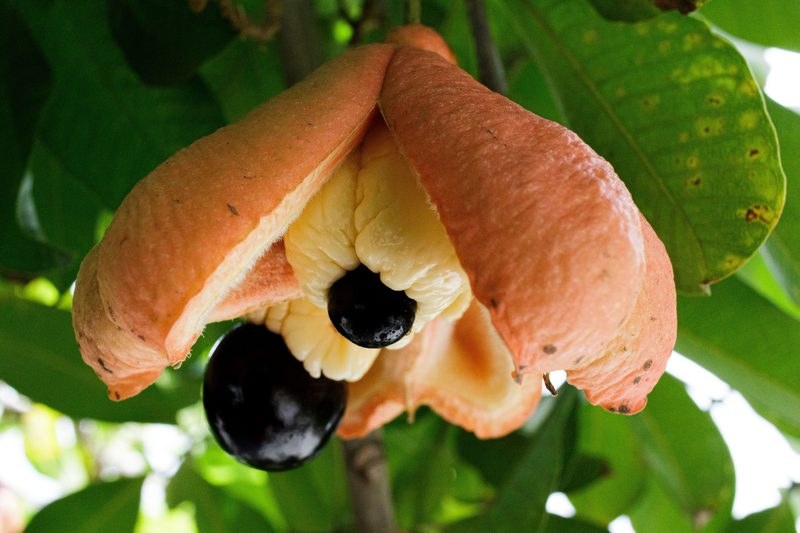
Ackee and saltfish is widely recognized as Jamaica’s national dish. Check the current menu for availability.
Is Caribbean jerk the same as Jamaican jerk?
Jerk is a Jamaican cooking tradition associated with seasoning and slow cooking or grilling. The exact heat level and preparation vary by cook.